Back-to-school season often means busier days: school, work, lunches away from home, sports activities and commuting.
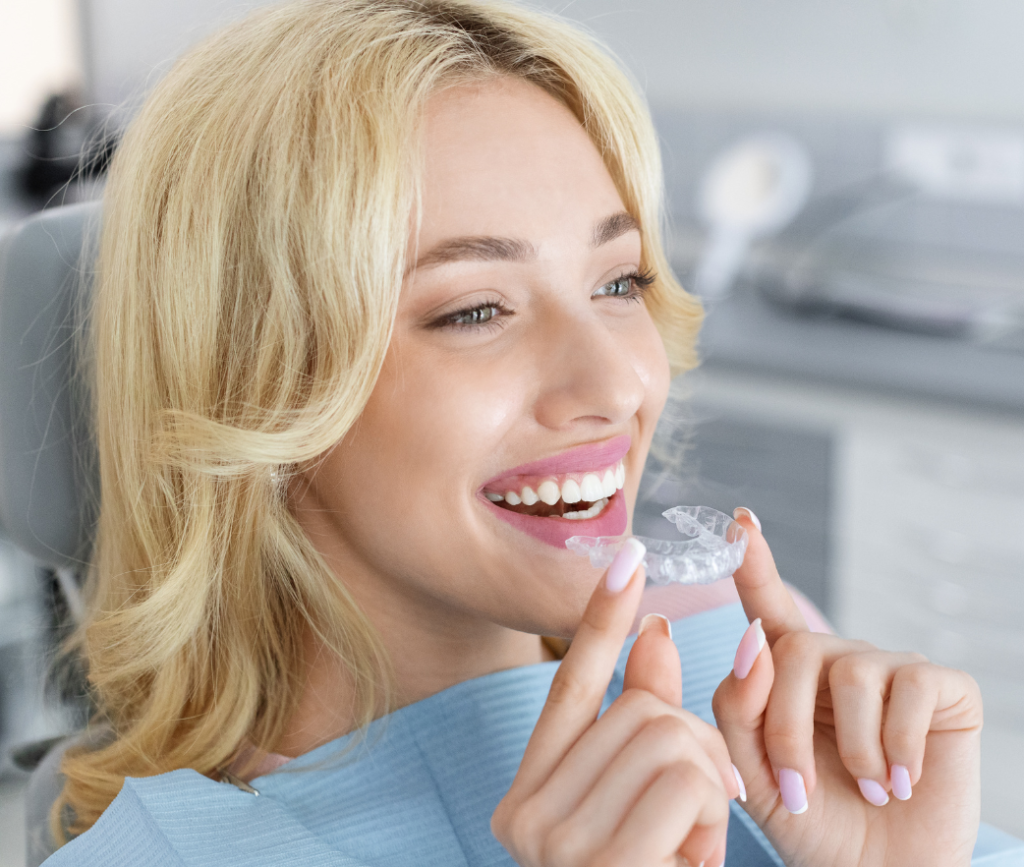
When wearing braces, Invisalign aligners or a retainer, a little preparation can make all the difference in maintaining good oral hygiene and avoiding forgotten steps.
Here are a few ways to make your routine easier once summer vacation is over.
Prepare a Small Kit for the Day
A compact toothbrush, toothpaste, dental floss or an interdental brush, and a case for your aligners can easily be kept in a school or work bag.
This makes it easier to clean your teeth after lunch when needed and helps prevent putting aligners back over teeth that still have food residue on them.
With Invisalign: Plan Where to Store Your Aligners
One of the most common mishaps happens at mealtime.
Aligners that are removed and wrapped in a napkin can easily be thrown away by mistake. Consistently using their case significantly reduces this risk.
With a more structured schedule, it may also be easier to return to a consistent aligner-wearing routine.
With Braces: Adapt Meals and Snacks
Certain very hard or sticky foods can damage brackets or orthodontic wires.
Preparing lunches is therefore a good opportunity to choose foods that are easy to eat and easier to clean from your teeth afterward.
After eating, a quick check in the mirror can also help prevent food from remaining around the braces for several hours.
Don’t Forget Your Retainer
After orthodontic treatment, a retainer helps maintain the position of your teeth.
Back-to-school season can serve as a reminder to return to the recommended wearing schedule if your routine was less consistent during the summer.
If the retainer becomes uncomfortable or no longer fits as well as it used to, it is best to have it checked.
Sports Activities: Remember Your Orthodontic Appliances
Going back to school often also means returning to sports.
If you or your child wears an orthodontic appliance and participates in a sport where there is a risk of impact to the face, speak with your dental professional about the appropriate type of mouthguard.
A Routine That’s Easier to Maintain
Orthodontic treatments require consistency, but they should not make your day unnecessarily complicated.
Preparing a dental care kit, planning meals and always keeping your aligner case within reach can help reduce forgotten steps and protect your teeth throughout the day.
At Santé Dentaire VMR in Ville Mont-Royal, our team is here to advise you on good oral hygiene habits during orthodontic treatment and the proper care of your appliances.
Summer vacation often brings changes in routine: later meals, snacks on the go, cold or sugary drinks, and sometimes less consistent brushing habits.
As September approaches, getting back into a regular routine is important, but it is also a good time to pay attention to any small changes that may have appeared over the summer.
At Santé Dentaire VMR in Ville Mont-Royal, we encourage both children and adults to use the back-to-school season as an opportunity to take a quick look at their oral health.
New Tooth Sensitivity?
A tooth that suddenly reacts to cold, heat or sugary foods deserves attention.
Sensitivity can have several causes, including enamel wear, gum recession, tooth decay or simply temporary irritation. If it persists or becomes more intense, it is best to have it evaluated.
Are Your Gums Bleeding More?
After a few weeks of less consistent flossing, it is common to notice more bleeding when brushing.
Red, sensitive gums or gums that bleed regularly can be a sign of inflammation caused by plaque buildup.
Returning to good daily oral hygiene can help, but a professional cleaning may be recommended if tartar has accumulated.
Reassess Snacking Habits
Popsicles, juice, soft drinks, iced coffee and frequent snacking throughout the day are often part of summer vacation.
As the school year begins, it can be helpful to reduce frequent snacking and choose water between meals.
For children, preparing school lunches is also a good opportunity to include snacks that are less sticky and lower in sugar.
Check Your Children’s Dental Habits
With the return to school, morning and evening routines become more predictable again.
This is an ideal time to make sure children are brushing long enough and are not missing certain areas, particularly the back teeth.
For younger children, parental supervision remains helpful to ensure effective brushing.
What If Summer Was Harder on Your Teeth?
Occasional mild pain, a chipped tooth, a filling that feels different or discomfort when chewing should not be ignored simply because the symptoms are tolerable.
Some dental problems can progress quietly before becoming more uncomfortable.
Start the Fall on the Right Foot
Back-to-school season does not have to mean making major changes. A few simple adjustments can be enough: return to a regular brushing schedule, floss daily, reduce frequent snacking and keep an eye on unusual symptoms.
If something changed over the summer or it has been a while since your last dental exam, a visit can help assess your oral health.
At Santé Dentaire VMR, our team welcomes patients from Ville Mont-Royal and surrounding areas of Montreal for preventive and general dental care.
Losing a tooth may seem like an isolated problem, especially when it is not visible when you smile. However, a missing tooth can affect the balance of the mouth, chewing function, and the stability of the surrounding teeth.
Over time, the neighbouring teeth may shift toward the empty space. Chewing may also become less comfortable, and certain areas of the mouth may be exposed to increased pressure. For this reason, it is important to have a missing tooth evaluated, even when it does not cause immediate pain.
What is a dental implant?
A dental implant is a structure, usually made of titanium, that is placed in the jawbone to replace the root of a natural tooth. Once the implant has integrated with the bone, it can serve as a foundation for a crown, bridge, or another type of dental restoration.
The goal is to create a stable, functional, and aesthetic solution adapted to the patient’s mouth.
A natural-looking and long-lasting solution
A dental implant is often considered when a patient wants to replace a missing tooth with a durable solution. It can help restore chewing function, fill the space left by the missing tooth, and maintain the harmony of the smile.
The crown attached to the implant is designed to blend naturally with the surrounding teeth. Its shape, colour, and fit are carefully planned to provide a comfortable and aesthetic result.
A thorough evaluation before treatment
Not every patient is automatically a candidate for dental implants. A complete evaluation is required to assess oral health, bone quality, gum condition, and functional needs.
In some cases, other options may be discussed, such as a dental bridge or another type of restoration. The choice of treatment always depends on the patient’s condition, goals, and the dentist’s clinical assessment.
The importance of careful planning
Replacing a missing tooth requires precise planning. Digital technologies can help provide a clearer view of the teeth and supporting structures, take detailed measurements, and prepare a solution adapted to the patient’s needs.
This planning stage helps make the treatment more predictable and supports a personalized approach based on each patient’s situation.
At Santé Dentaire VMR
At Santé Dentaire VMR, dental implants, crowns, and bridges are incorporated into a comprehensive approach to restoring the smile. The team helps patients in Ville Mont-Royal evaluate the available options for replacing a missing tooth in a functional, aesthetic, and long-lasting way.
A weakened, cracked, or heavily restored tooth may sometimes require a dental crown to restore its strength, function, and natural appearance. Traditionally, this treatment required several appointments, a temporary crown, and a waiting period of a few weeks.
Thanks to the on-site fabrication technology available at Santé Dentaire VMR, it is now possible, in appropriate cases, to design and install a permanent dental crown during a single visit to the clinic in Ville Mont-Royal.
What is a dental crown used for?
A crown is a restoration that covers the visible portion of a tooth to protect it and restore its shape. It may be recommended when a tooth is:
Cracked or broken;
Weakened by extensive decay;
Significantly worn down;
Restored with a large filling;
Devitalized following root canal treatment;
Compromised from an aesthetic or functional standpoint.
Before recommending this treatment, the dentist evaluates the condition of the tooth, gums, and bite to determine whether a crown is the most appropriate solution.
A permanent crown made directly at the clinic
With the traditional method, the tooth is prepared during an initial appointment, and the measurements are then sent to an external dental laboratory. A temporary crown usually needs to be worn for several weeks before the patient returns for the placement of the permanent restoration.
At Santé Dentaire VMR, the clinic is equipped with technology that allows the necessary measurements to be taken and the crown to be fabricated directly on-site. The restoration is milled from a zirconia block selected to match the colour of the patient’s teeth.
This approach generally makes it possible to avoid:
A second trip to the clinic;
Several weeks of waiting;
Wearing a temporary crown for an extended period;
Receiving another local anesthetic at a separate appointment.
What happens during the appointment?
1. Evaluation and preparation of the tooth
The dentist begins by examining the tooth and confirming that a crown is the appropriate treatment. The tooth is then prepared to receive the restoration.
2. Digital measurements
The dimensions of the tooth and surrounding structures are recorded with precision. This information is used to design a crown that fits the shape of the patient’s teeth, the contact points between the teeth, and the bite.
3. On-site crown fabrication
The data is transmitted to the clinic’s Glidewell milling machine. The crown is then milled from a zirconia block. This step generally takes approximately 35 minutes, although the exact time may vary depending on the treatment.
4. Verification and placement
Once the crown is ready, the dentist verifies its shape, colour, contact points, and the way the upper and lower teeth meet. Any necessary adjustments can be made immediately before the crown is polished and permanently cemented into place.
A workspace designed for your comfort while you wait
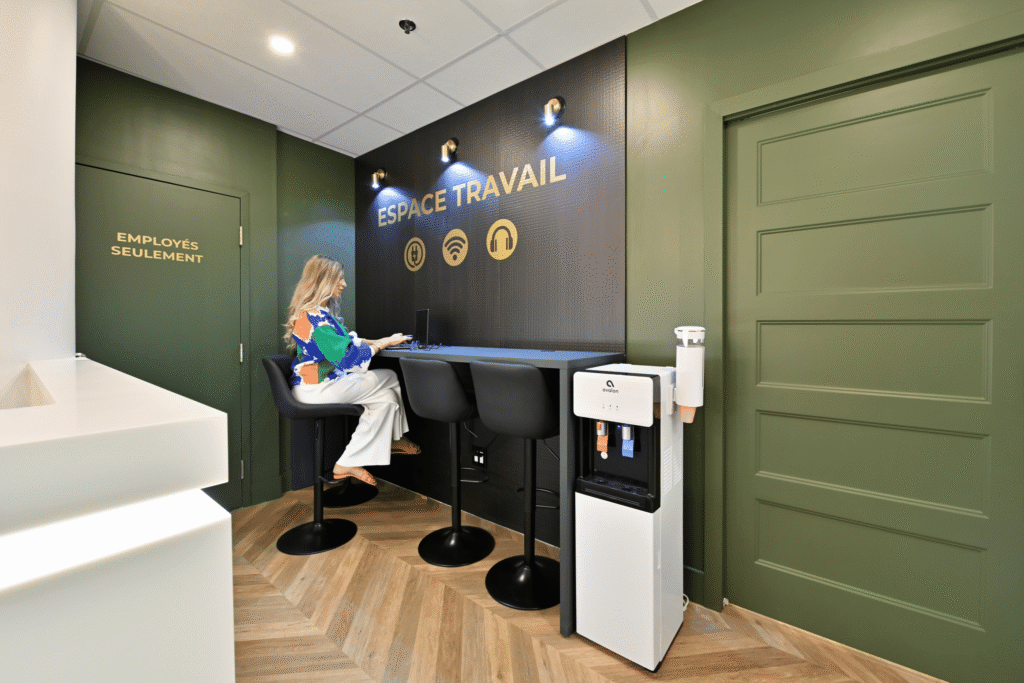
While their crown is being fabricated, patients can use a dedicated workspace located directly inside the clinic. This space allows patients to check their emails, use their laptop, or continue working comfortably during the waiting period.
The workspace is also available to other patients and visitors waiting at the clinic. With its counter, seating, and thoughtfully designed environment, it helps make the time spent at the clinic more practical and comfortable.
The workspace at Santé Dentaire VMR allows patients to work comfortably while their crown is being fabricated or while they wait at the clinic.
A restoration completed with precision
On-site fabrication allows the dentist to supervise every stage of the process. The crown’s shape, dimensions, colour, contact points, and bite can all be evaluated and adjusted during the same appointment.
Because the crown is designed and tried in immediately, any necessary modifications can be made without having to send the restoration back to an external laboratory. This approach can be especially useful when a tooth has particular requirements related to its shape, the patient’s bite, or teeth grinding.
Can every crown be completed in one visit?
A one-visit crown is suitable for many situations, but it may not be recommended for every patient. The condition and location of the tooth, the health of the gums, and the aesthetic or functional complexity of the case must all be evaluated.
A consultation with the dentist will help determine whether this solution is appropriate or whether another treatment approach would be preferable.
A dental crown in one visit in Ville Mont-Royal
On-site fabrication technology makes it possible to restore a damaged tooth more quickly while reducing the number of appointments and eliminating the need for a temporary restoration in many cases.
To find out whether a one-visit dental crown is suitable for your situation, contact the team at Santé Dentaire VMR to schedule an evaluation.
In spring and early summer, seasonal allergies can have a greater impact on oral health than many people realize. Nasal congestion, mouth breathing, dry mouth, and the use of antihistamines can all affect the natural balance of the mouth.
When the mouth becomes drier, the gums may become more sensitive, and the oral environment can become more favourable to bacterial buildup. For some patients, this may lead to discomfort, bad breath, or more noticeable gum inflammation.
Why Can Allergies Affect the Gums?
When a person breathes more through the mouth because of nasal congestion, the oral tissues tend to dry out. Saliva plays an essential role: it helps protect the teeth, neutralize acids, and maintain balance in the mouth.
A decrease in saliva can therefore make the gums more vulnerable. If inflammation is already present, it may become more noticeable during allergy season.
Signs to Watch For
Certain symptoms may indicate that seasonal allergies are affecting your oral health. Red, sensitive gums or gums that bleed while brushing should not be ignored.
A dry mouth sensation, persistent bad breath, or unusual sensitivity may also justify an evaluation. Even if these symptoms seem mild, they may reveal an imbalance that deserves professional attention.
Preventing Inflammation During Allergy Season
Good daily oral care remains essential, especially during periods when the mouth is drier. Brushing, flossing, and staying well hydrated can help limit bacterial buildup.
A professional dental cleaning can also help address buildup more thoroughly, especially if tartar has accumulated below the gumline. This approach helps reduce the risk of inflammation and supports long-term oral health.
At Santé Dentaire VMR
At Santé Dentaire VMR, gum health is evaluated through a preventive and personalized approach. Allergy season is a good time to check the condition of the oral tissues, especially for patients who experience more discomfort, dryness, or sensitivity.
An evaluation helps better understand the cause of the symptoms and adapt recommendations according to each patient’s needs.
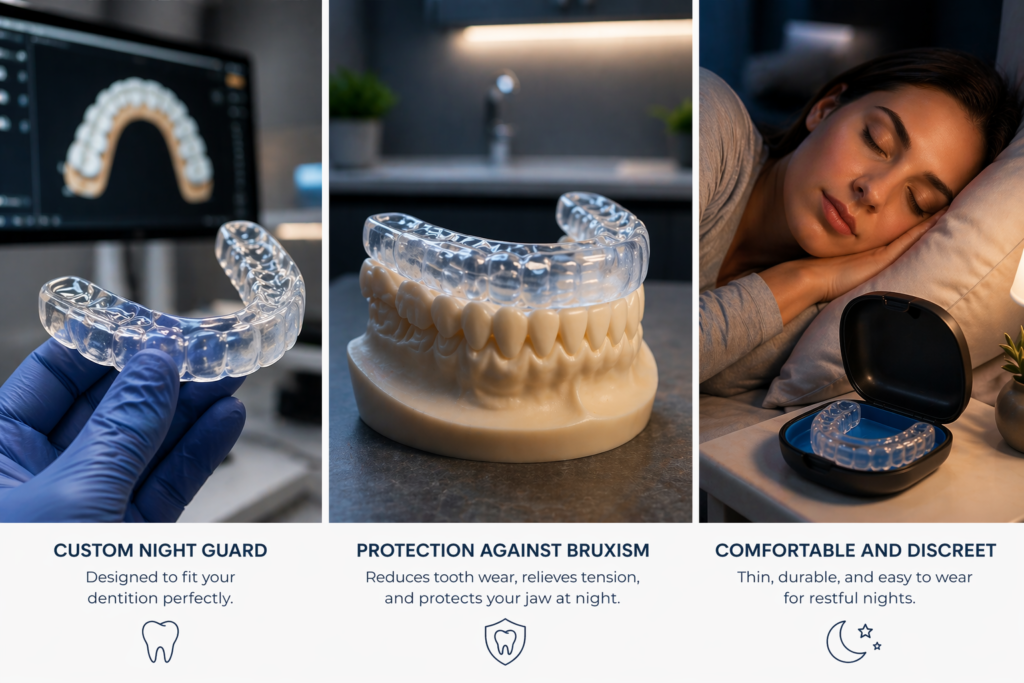
Occlusal guards (also known as night guards) are designed to protect teeth from excessive pressure caused by grinding (bruxism) or clenching, often occurring during sleep. Today, advances in 3D technology allow for highly precise, custom-made guards that offer improved comfort, durability, and effectiveness.
Occlusal guards (also known as night guards) are designed to protect teeth from excessive pressure caused by grinding (bruxism) or clenching, often occurring during sleep. Today, advances in 3D technology allow for highly precise, custom-made guards that offer improved comfort, durability, and effectiveness.
Occlusal guards (also known as night guards) are designed to protect teeth from excessive pressure caused by grinding (bruxism) or clenching, often occurring during sleep. Today, advances in 3D technology allow for highly precise, custom-made guards that offer improved comfort, durability, and effectiveness.
Stress and muscle tension tend to increase during the winter months. Many patients experience jaw pain, frequent headaches, or constant pressure in the temples without always connecting it to their oral health. Bruxism, which refers to teeth grinding or clenching, is a common cause of these discomforts. At Santé Dentaire VMR, therapeutic Botox is used as a complementary solution to reduce muscle tension and improve daily comfort.